Dog Park Etiquette: 10 Rules Every Dog Owner Should Follow
April 3, 2026 · 7 min read
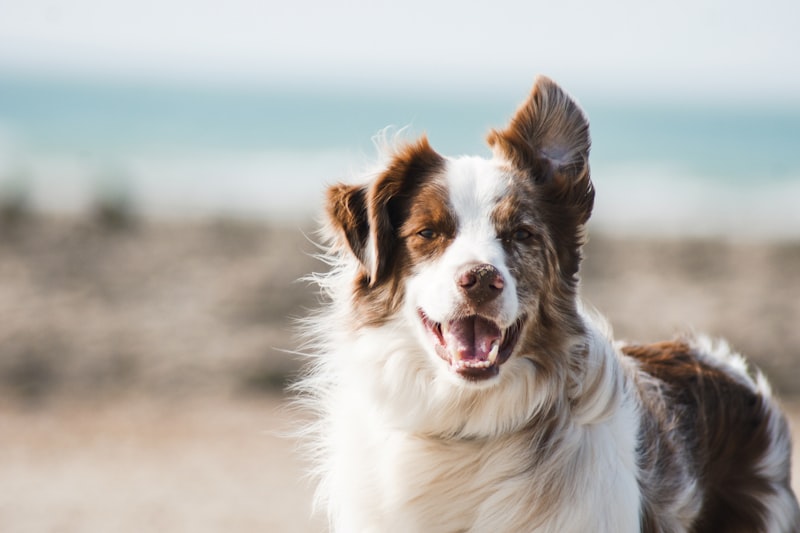
Dog parks are wonderful places where our furry companions can run, play, and socialize off-leash. But a great dog park experience depends on every owner doing their part. Unfortunately, not everyone knows the unwritten rules of dog park etiquette — and that can lead to conflicts, injuries, and a bad time for everyone involved.
Whether you're a first-time visitor or a seasoned regular, these ten rules will help you be a responsible, respectful dog park citizen. Follow them, and you'll help make the park a safer, more enjoyable place for all dogs and their humans.
1. Always Pick Up After Your Dog
This is the golden rule of dog park etiquette — and yet it's the one that gets broken most often. Nobody wants to step in a mess, and leaving waste on the ground creates health hazards for other dogs and people. Most parks provide waste bags and trash cans, so there's really no excuse. Carry extra bags in your pocket just in case the dispensers are empty. If your dog goes, you clean it up. Period. It's the single most important thing you can do to keep the park clean and welcoming for everyone.
2. Watch Your Dog at All Times
A dog park is not a daycare. You can't just open the gate, let your dog loose, and zone out. You need to keep your eyes on your dog at all times. Dogs can get into scuffles quickly, and being alert allows you to intervene before a minor disagreement turns into a full-blown fight. Stay close enough to your dog that you can reach them within seconds if something goes wrong. Move around the park with your dog rather than planting yourself on a bench the entire visit.
3. Don't Bring Aggressive Dogs
If your dog has a history of aggression toward other dogs or people, the dog park is not the right environment for them. This isn't a judgment — some dogs simply aren't suited for off-leash play with strangers, and that's okay. Bringing an aggressive dog puts everyone at risk and can result in serious injuries and liability issues. If your dog shows signs of aggression like stiff posture, raised hackles, growling, or snapping, it's time to leave immediately. Work with a professional trainer before attempting dog park visits. You can find parks with quieter environments on BarkSeeker.
4. Keep Small Dogs in the Small Dog Area
Most well-designed dog parks have separate areas for large and small dogs, and these divisions exist for a very good reason. A 70-pound Lab playing with a 10-pound Chihuahua is a recipe for accidental injury, even if both dogs are perfectly friendly. Small dogs can be easily trampled or hurt during rough play with larger breeds. Always use the appropriate section for your dog's size. If the park doesn't have separate areas, be extra vigilant about monitoring interactions between dogs of very different sizes. Check out our Florida parks or Georgia parks to find parks with separate small dog areas.
5. Don't Bring Food into the Park
Food is one of the biggest triggers for resource guarding and aggression in dogs. Bringing snacks, treats, or even a coffee with a pastry into the off-leash area is asking for trouble. Dogs have incredible noses and will zero in on any food, which can lead to confrontations between dogs competing for a tasty morsel. If you need to reward your dog with treats, do it outside the fenced area. Leave your lunch in the car. Many parks have picnic areas outside the off-leash zone — use those instead.
6. Leash Up at the Entrance and Exit
The entrance and exit areas of dog parks are high-tension zones. Dogs are excited, bunched together, and the gate is opening and closing. Always leash your dog before entering and exiting. Most parks have a double-gate system — use it properly. Enter the first gate, close it behind you, then unleash your dog and open the second gate. When leaving, reverse the process. This prevents dogs from bolting out of the park and into traffic. It also reduces the crowding and tension that can happen at the gate area.
7. Keep Vaccinations Up to Date
Dog parks are communal spaces where dogs share water bowls, sniff each other, and come into close contact. This makes them potential hotspots for diseases like kennel cough, parvovirus, and canine influenza. Make sure your dog's core vaccinations — rabies, distemper, and parvovirus — are current before visiting any dog park. Many parks actually require proof of vaccination. It's also wise to keep your dog on flea and tick prevention, especially in warmer states. Puppies under four months who haven't completed their vaccination series should not visit dog parks at all.
8. Leave If Your Dog Is Overwhelmed
Not every dog park visit is going to be a success, and that's perfectly fine. If your dog is hiding behind your legs, tucking their tail, cowering, or showing other signs of stress and fear, it's time to go. Forcing a frightened dog to stay in an overwhelming environment doesn't help them "get used to it" — it actually makes their anxiety worse. Similarly, if the park is unusually crowded or there are several rambunctious dogs creating chaos, it's okay to come back another time. Your dog's comfort and safety always come first.
9. Don't Spend the Whole Time on Your Phone
We get it — it's tempting to scroll through social media or answer emails while your dog plays. But the dog park requires your active attention. Dogs can go from playful to aggressive in seconds, and if you're staring at your phone, you'll miss the warning signs. You also won't notice if your dog is bothering another dog, eating something off the ground, or heading toward the gate. Think of your dog park visit as quality time with your pet. Put the phone away, watch the dogs play, and enjoy the fresh air. You can catch up on emails later.
10. Be Friendly and Communicative with Other Owners
Dog parks are social places — not just for dogs, but for people too. Being friendly and open with other dog owners goes a long way toward creating a positive atmosphere. If your dog is playing too rough with someone else's dog, acknowledge it and redirect your pet. If another owner tells you their dog is nervous or in training, respect that and give them space. Introduce yourself, share tips about local parks, and be part of the community. A friendly owner makes the whole park experience better for everyone.
The Bottom Line
Dog park etiquette isn't complicated — it's really just about being responsible, attentive, and considerate. When every owner follows these basic rules, the park becomes a safe, fun, and welcoming space for all dogs and their humans. If you're looking for well-maintained dog parks with good amenities and separate areas for different-sized dogs, use BarkSeeker to search parks near you. We've got listings across dozens of states to help you find the perfect spot for your next off-leash adventure.
BarkSeeker is powered by CLETUS AI. Run a business? CLETUS provides 24/7 AI customer service on your website and phone — for any industry. Less than $1/day.